
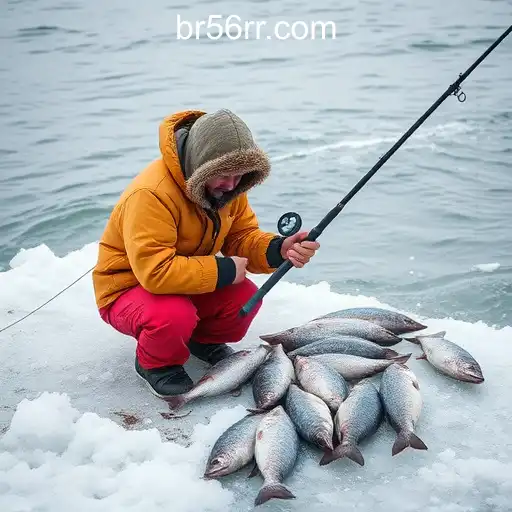

The Art and Science of Fishing
Fishing is an age-old practice that combines the art of patience with the science of understanding aquatic life. It's more than just a pastime; it is a vital part of various cultures worldwide. While some indulge in fishing for sport, others pursue it for sustenance.
Traditions and Techniques
Across the globe, fishing methods vary, reflecting the regional diversity and the adaptation of communities to their environments. Traditional methods include spearfishing, netting, and angling, each requiring specific skills and knowledge about local fish species and their habitats.
In regions like the Amazon, indigenous tribes have perfected the use of plant-based poisons to stun fish, making them easier to catch in the sprawling river systems. Meanwhile, in the icy waters of the Arctic, the Inuit rely on ice fishing techniques that use simple tools like harpoons and fishing lines to sustain their communities.
Modern Innovations
The industrialization of fishing has transformed this ancient practice. Today, technologies such as sonar, GPS, and advanced fishing tackle are employed to increase efficiency. Recreational anglers benefit from innovations in fishing gear, making it more accessible for enthusiasts to engage in this pastime.
Despite technological advancements, there is an increasing push for sustainable practices. Overfishing poses a significant threat to marine biodiversity, highlighting the need for regulations and adherence to quotas. Sustainable fishing ensures that aquatic ecosystems remain viable for future generations.
Fishing and Culture
Fishing is deeply embedded in many cultures, forming part of traditional rituals and festivities. For instance, in Japan, the practice of cormorant fishing is a celebrated cultural event. This ancient technique involves using trained cormorants to catch fish, a spectacle that draws tourists and keeps the tradition alive.
Similarly, fishing derbies and tournaments held worldwide foster community participation, promoting conservation and awareness about marine ecosystems. These events often combine entertainment with education, emphasizing the cultural importance of fishing beyond mere recreation.
56RR.com Oficial Slots Brasil #1: A Unique Connection
In recent years, digital platforms such as 56RR.com Oficial Slots Brasil #1 have emerged, connecting audiences with varied interests, including those fascinated by fishing. While primarily focused on gaming, such platforms provide opportunities for interaction among fishing enthusiasts who share tips and stories, blending traditional pastimes with modern technology.
These platforms offer forums and communities where people can exchange information about the best fishing spots, gear recommendations, and experiences in different fishing environments. Moreover, they bring together individuals worldwide, creating a network of like-minded enthusiasts who appreciate the serene joy of fishing.
The Economic Impact of Fishing
Fishing is not just about recreation or tradition; it plays a significant role in the global economy. The fishing industry provides employment to millions worldwide, from commercial fishers to retail and trade. It contributes to food security, supplying protein-rich diets to many communities.
Countries with extensive coastlines, such as Brazil, have thriving fishing industries that drive economic growth. Local markets flourish with fresh produce, supporting small-scale fishers and enhancing local economies. Tourism related to fishing tours and activities also creates numerous economic benefits for host communities.
Challenges and Opportunities
While fishing offers numerous opportunities, it also faces challenges like climate change, pollution, and habitat destruction. Rising sea temperatures and ocean acidification threaten fish populations, while plastic pollution endangers marine life.
However, these challenges present opportunities for innovation. Sustainable aquaculture and conservation projects aim to preserve fish stocks and protect marine habitats. By embracing technology, stakeholders can monitor ecosystems and implement effective management strategies.
Conclusion: The Future of Fishing
The future of fishing lies in balancing tradition with innovation. Embracing sustainable practices, fostering cultural appreciation, and leveraging technologies will ensure that fishing remains a vibrant part of our world.
As we navigate these waters, platforms like 56RR.com Oficial Slots Brasil #1 play a crucial role in connecting enthusiasts, offering insights and fostering a global community that cherishes this timeless activity.